
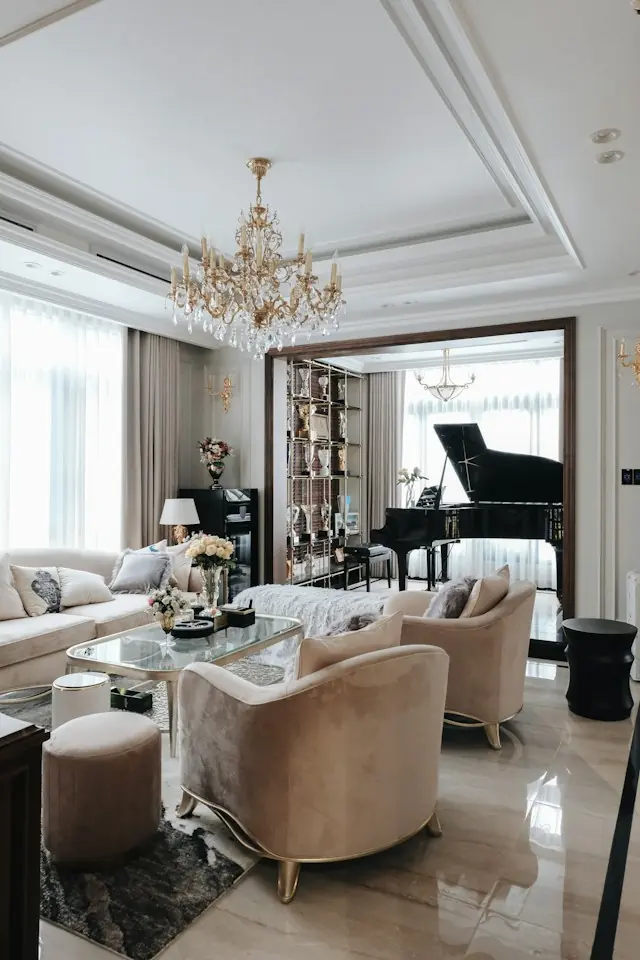
A home can look fashionable in a photograph and still feel strangely anonymous in person. Matching furniture, neutral surfaces and accessories bought to follow a passing trend may create a coordinated room, but they do not automatically give it character. That distinction helps explain the continuing appeal of classic luxury interiors: spaces shaped by craftsmanship, proportion and objects chosen to remain relevant beyond a single decorating cycle.
The idea is not to turn every living room into a formal drawing room. Instead, classic design offers a different starting point for contemporary homes. Rather than asking what needs replacing when tastes change, it asks which pieces deserve to stay.
For homeowners considering their next purchase, that shift has practical consequences. Materials, construction, maintenance and comfort become as important as the first impression.
A Different Way to Think About Luxury
Luxury furniture is often associated with ornament, polished finishes and impressive proportions. Yet its more useful distinction lies beneath the surface: how an object is designed, assembled and finished, and how well it serves the room around it.
A cabinet may attract attention through its decorative detail, but the quality of its doors, joints and internal layout matters just as much in everyday use. An upholstered chair needs more than an elegant silhouette; it must also support the person sitting in it.
This approach makes classic interiors relevant to modern lifestyles. A beautiful room should accommodate conversation, movement and ordinary routines, rather than demand that its occupants treat everything as an exhibit.
Why Timeless Design Leaves Room for Change
A lasting interior does not need to remain unchanged. In fact, furniture with a clear identity can provide a stable foundation while smaller elements evolve.
A well-proportioned dining table can work with different chairs over time. A distinctive chest can move from a bedroom to a hallway. Lighting, textiles and artwork can alter the atmosphere without requiring the replacement of every major piece.
That flexibility is particularly useful when people move home or change how they use a space. Choosing furniture solely for one narrowly defined look can limit its usefulness later. Considering scale, function and adaptability gives each purchase a better chance of remaining part of the household.
The Return of Craftsmanship in Premium Interiors
Craftsmanship gives furniture a quality that is difficult to communicate through a product thumbnail. The transition between materials, the depth of a finish and the precision of decorative work become clearer when an object is experienced at close range.
Mariner Luxury, founded in 1893, offers a historical example of this approach through furniture and lighting that connect traditional decorative techniques with changing interior styles. Its Spanish category, Muebles clásicos de lujo, places that heritage within a broader offering for premium interiors.
The relevance extends beyond any individual manufacturer. When comparing pieces, buyers can ask specific questions: How was the finish applied? Can the upholstery be renewed? What maintenance does the surface require? Which components can be repaired or replaced?
Those questions turn craftsmanship from a vague selling point into something that can be assessed.
Mixing Classic Furniture With Contemporary Spaces
Classic furniture does not require matching architecture or a complete suite of coordinated pieces. Contrast can make its detailing easier to appreciate.
An expressive console against a restrained wall can establish a focal point. A traditional chandelier can bring warmth and visual interest to a clean-lined dining area. A contemporary sofa can sit comfortably alongside a carefully selected cabinet.
The key is to give important objects enough space. When every surface competes for attention, decorative detail becomes visual noise. When a room has a clear hierarchy, individual pieces can contribute character without overwhelming it.
Repeating a material or colour in a few places can also help connect different styles. The relationship should feel deliberate, while leaving each object room to retain its identity.
Durability Makes Sustainability a Practical Question
Furniture that remains useful for many years can reduce the need for frequent replacement. However, a high price or a traditional appearance does not automatically make a product sustainable.
Buyers should look beyond broad environmental language and examine the details available to them. Material sourcing, construction, repair options, transport and maintenance all deserve consideration.
A piece that can be reupholstered or refinished may offer more possibilities than one designed to be discarded when its surface deteriorates. Equally, furniture that does not fit the household’s needs is unlikely to become a lasting purchase, however impressive its materials.
Durability therefore includes both physical strength and continued usefulness.
Lighting Deserves the Same Attention as Furniture
Lighting can change how a room’s materials and proportions are perceived. A single bright overhead source may flatten decorative surfaces, while several carefully positioned sources can reveal texture and create a more comfortable atmosphere.
In a classic interior, a statement fitting can provide visual structure, but it should work alongside practical lighting for reading, dining and everyday tasks.
Before selecting a fixture, consider ceiling height, the dimensions of nearby furniture and how the space is used after dark. The most successful choice belongs to the room rather than simply filling an empty position above it.
Building a Home Around Pieces Worth Keeping
For anyone drawn to classic luxury interiors, the most useful first step is a selective one. Identify an object that solves a real need, assess its quality and proportions, and consider how it will work with what is already there.
A room does not acquire history in a single shopping trip. It develops through choices that continue to make sense as circumstances change.
That is the enduring attraction of classic design: it allows a home to evolve around furniture with enough character, comfort and practical value to remain part of everyday life.