
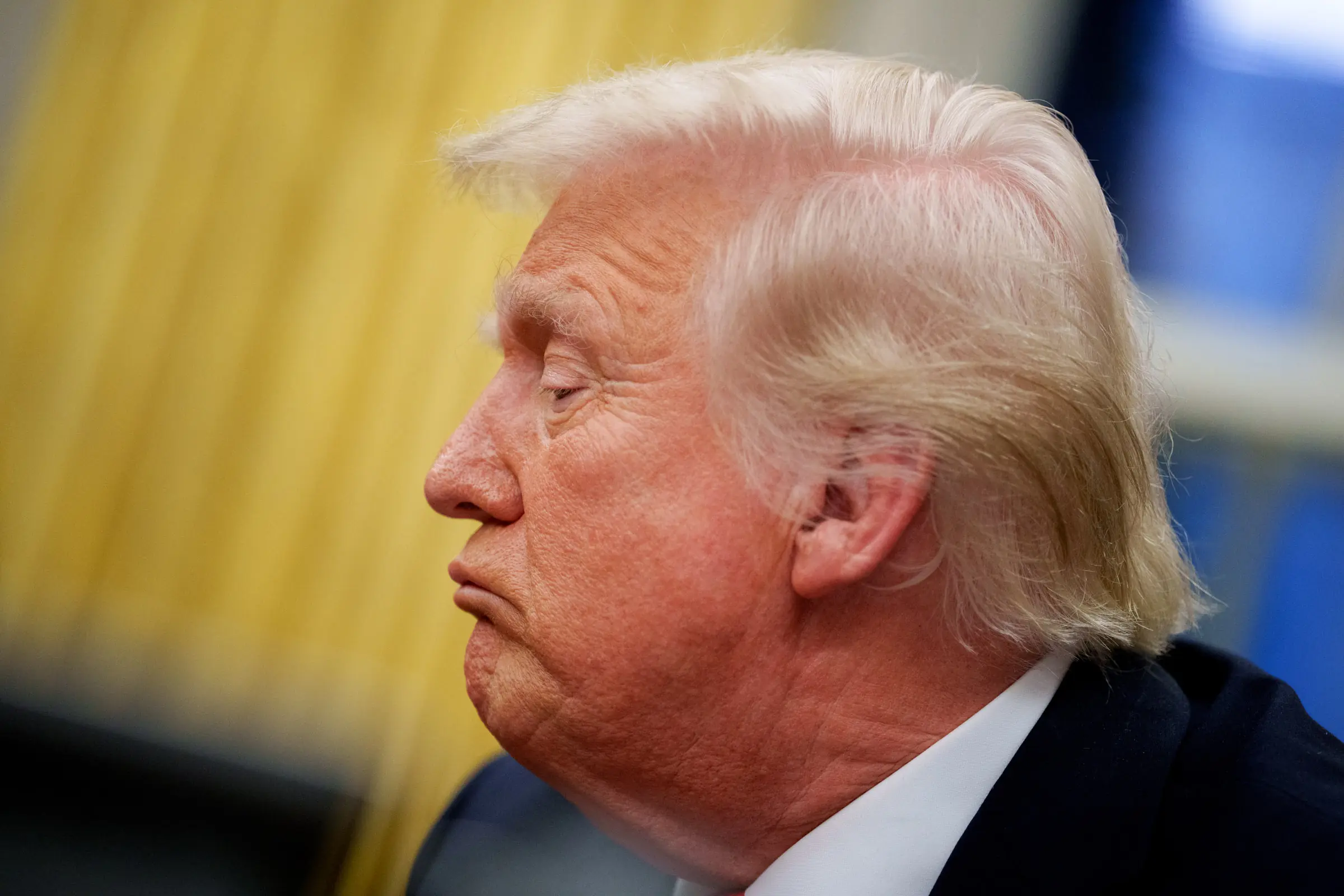
Recent political setbacks in Brazil, Paraguay, and the United States have complicated the Trump administration’s efforts to expand U.S. influence in Latin America. (Foto: Instagram)
President Donald Trump has suffered at least three political setbacks at home and abroad in the past two weeks, complicating his administration’s effort to expand U.S. influence in Latin America, according to the report. The challenges include the election of Luiz Inácio Lula da Silva to a fourth term in Brazil, the resignation of Paraguayan President Santiago Peña amid a financial scandal, and Democrats’ gains in the U.S. midterm elections.
The administration’s regional approach has been dubbed the “Donroe Doctrine,” a blend of Trump’s name and the Monroe Doctrine, the 19th-century U.S. policy associated with limiting outside influence in the Americas while expanding U.S. influence. Trump has sought to restore Washington’s standing in Latin America, including by building ties with right-wing leaders and reducing China’s presence in the region. Secretary of State Marco Rubio had previously described Brazil as an exception among U.S. allies in the hemisphere, alongside Nicaragua, Venezuela, Cuba and Colombia, then led by leftist President Gustavo Petro.
Brazil’s Oct. 25 runoff pitted Flávio Bolsonaro, whose family has ties to Trump, against Lula, who has clashed with the U.S. president in recent months. Trump did not directly endorse Flávio, but people in the White House viewed a possible victory by him as an opportunity to expand U.S. influence in Latin America, given the political alignment between the two men. The report also noted that right-wing leaders had taken office after elections in Panama, Chile, Peru and Colombia, a trend Rubio had expressed hope would continue.
Lula’s victory over Flávio was seen by people close to Brazil’s presidential administration as a blow to the Trump administration and a setback for the prospect of expanding U.S. influence through Flávio. During the campaign, Flávio said he wanted Brazil to align with U.S. interests. He also said that, if elected, he would classify Brazilian criminal organizations as terrorist groups and join the U.S.-backed Shield of the Americas initiative to combat criminal organizations in Latin America. Lula’s government opposes both measures. Two days after losing the election, Flávio left Brazil for the United States, where he now lives with his family in Miami. His departure has been characterized as a flight from Brazil; he is under investigation by Brazilian authorities in cases involving alleged corruption, money laundering and foreign-currency evasion.
Peña, a Trump ally who established a direct line to the White House and backed key U.S. initiatives in the region, announced his resignation on Nov. 5. The political crisis followed the Central Bank of Paraguay’s decision to liquidate Ueno bank, which it deemed insolvent, and a request by prosecutors for a criminal investigation into the institution. Peña, an economist, held shares in Ueno Holding until March 2025; the company was connected to the bank’s controlling group. He faced an impeachment petition after the banking crisis, and Congress must decide whether to accept his resignation, which he is expected to submit formally. Experts cited in the report view the turmoil as another setback for right-wing leadership in the region.
Trump also faces a domestic setback after the Nov. 3 midterm elections, in which Democrats defeated the president’s Republican Party and took control of Congress. Republican control of the House and Senate had given Trump more room to advance his agenda and shield himself from investigations and opposition actions. The election included 35 Senate seats, all 435 House seats and 36 governorships. Democrats won 54 Senate seats, exceeding the 50-seat threshold for control, and 247 House seats—29 more than the 218 needed for a majority. Democrats also gained five governorships compared with the 2024 election, giving them control of 28 states; Republicans held 20.