
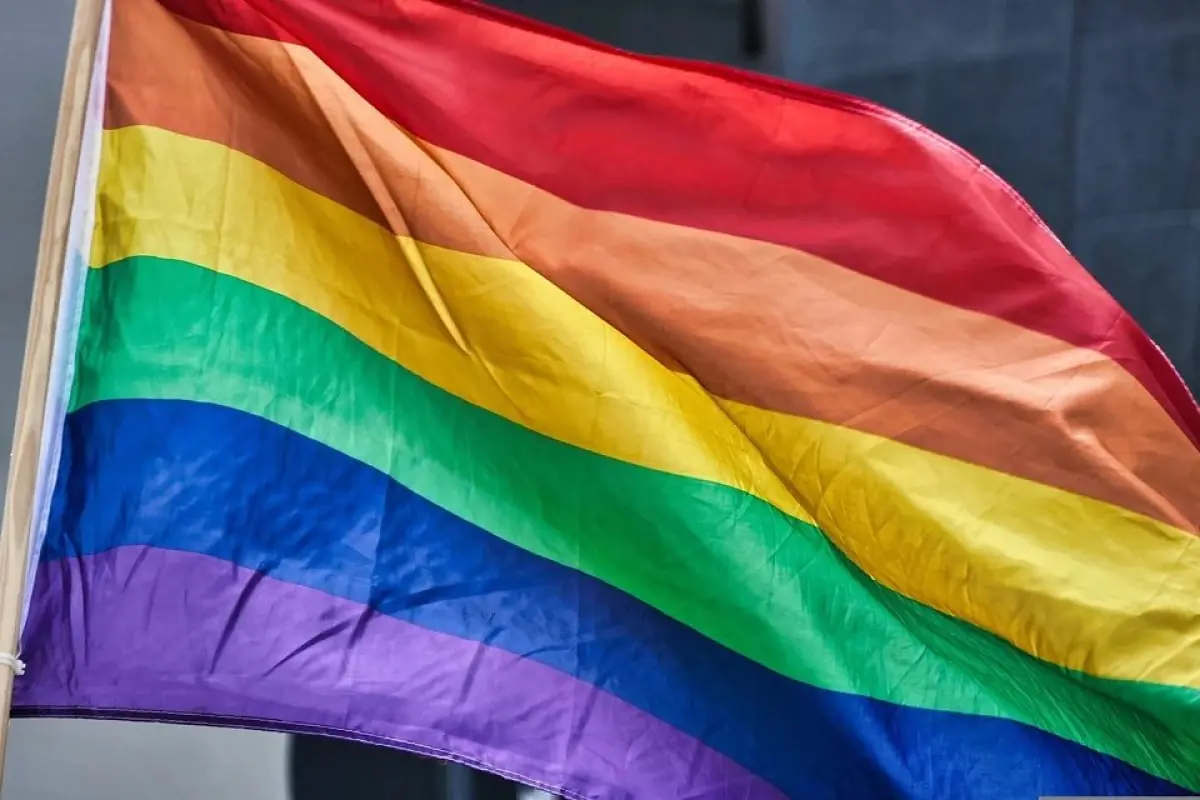
The Judicial Committee of the Privy Council in London struck down Trinidad and Tobago’s laws criminalizing consensual sexual relations between men on Nov. 10. (Foto: Instagram)
The Judicial Committee of the Privy Council in London has struck down laws in Trinidad and Tobago that criminalized consensual sexual relations between men. In its Nov. 10 ruling, the country’s highest court of appeal found the laws incompatible with the rights to privacy and respect for family life.
The unanimous decision ends an 11-year legal challenge brought by activist Jason Jones, 62, who holds dual citizenship. Jones had won a ruling against the laws in Trinidad’s High Court in 2018, but the government appealed and that decision was later overturned. The Privy Council ruled in Jones’ favor, marking the first time the court has considered a case involving the decriminalization of same-sex relations.
Judge Lord Sales said the laws could not be justified in a society that respects individual rights and freedoms. Jones said the laws did not represent the country’s diverse, multiracial and secular population. “They told LGBTQ+ people that we were criminals in our own country,” he said. “That message ends today.” Activists hope the ruling could encourage similar legal challenges in other Commonwealth countries, a grouping made up largely of former British colonies.
Trinidad and Tobago became independent from the United Kingdom on Aug. 31, 1962, and became a parliamentary republic in 1976. It has nevertheless retained the Privy Council in London as its final court of appeal. That legal connection is a legacy of the colonial relationship and has fueled debate over whether the country should replace the British court with the Caribbean Court of Justice, a regional institution that serves as a final court for countries that join its system.
Before the ruling, Trinidad and Tobago was among Commonwealth countries with laws inherited from British colonial rule that criminalized same-sex relations. The government argued that constitutional savings clauses protected the laws by preserving British laws that were in force when the country gained independence in 1962.
Jones’ legal team argued that the laws violated the right to privacy. His lawyers also said amendments made in 1986, which increased the penalties, meant the provisions no longer qualified for protection under the constitutional savings clauses. Anand Ramlogan, the lawyer who represented Jones, called the ruling a historic victory for LGBTQ+ rights, equality, and respect for private and family life.