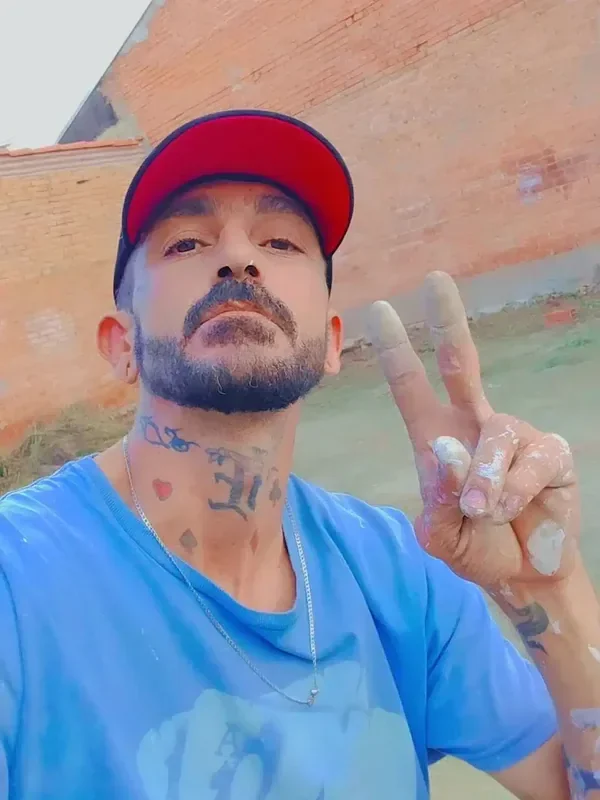
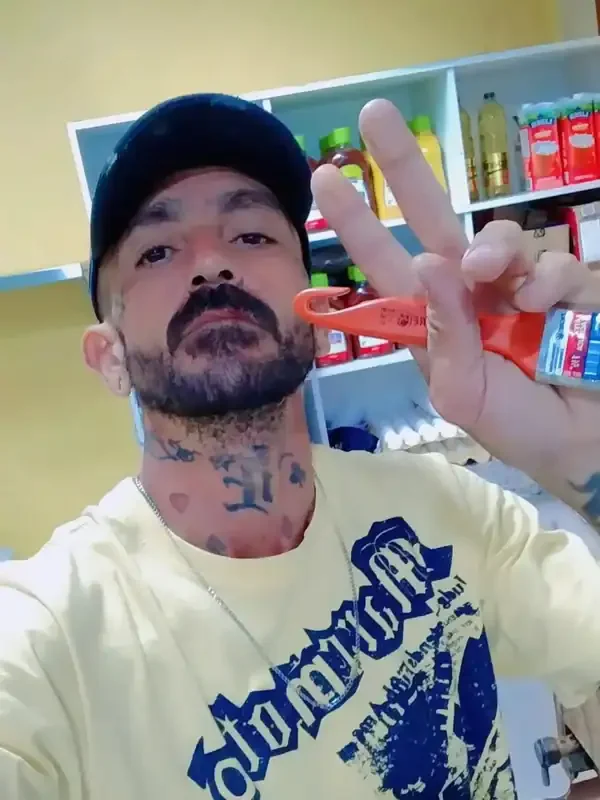
Bruno Watermann, a 40-year-old painter who lives in Carlópolis, in the Brazilian state of Paraná, drew attention after revealing that he named his two children in homage to Suzane von Richthofen and the Cravinhos brothers. The three were convicted in connection with the 2002 murder of the Richthofen couple. Watermann describes himself as their number one fan and has several tattoos related to the people involved in the crime. He said his admiration has also led to family conflicts and professional difficulties.
In an interview with the Brazilian news site BacciNoticias, Watermann said he chose the name Suzane for his older daughter and Cristian Daniel for his younger son. According to him, the decision went against the wishes of the children’s mother. “Their mother didn’t want it, but I wanted it, and that was enough,” he said. Watermann also said the children know where their names came from and have never expressed dissatisfaction with the choice.
The names are among the most visible ways Watermann says he has expressed his interest in the case. His account links the names of his children to the people convicted in connection with the 2002 killing, while his tattoos make the same interest visible on his body. The report does not provide further detail about how the names were discussed within the family or whether the children have spoken publicly about the decision. It does report Watermann’s statement that they know the names’ origins and have not objected.
Watermann said his admiration for Suzane began after he saw her on television. Asked what first attracted his attention, he described her as “blonde, beautiful and cruel,” adding that she affected him immediately and that he likes blondes. He also identified what he viewed as elements of the case that fascinated him: “Madness, greed, acting without thinking, and the audacity to go all the way with the goal without thinking about the consequences.”
Those comments describe Watermann’s personal reaction to the people and events, rather than a justification of the crime. He said he does not approve of the offenses committed by the three convicted people and denied that he is violent. “I’m not a cruel person; I’ve never even gotten into a fight in the street,” he said. His statements distinguish his claimed fascination with the case from his view of the crime itself, although his admiration and public tributes have, by his account, affected relationships and work.
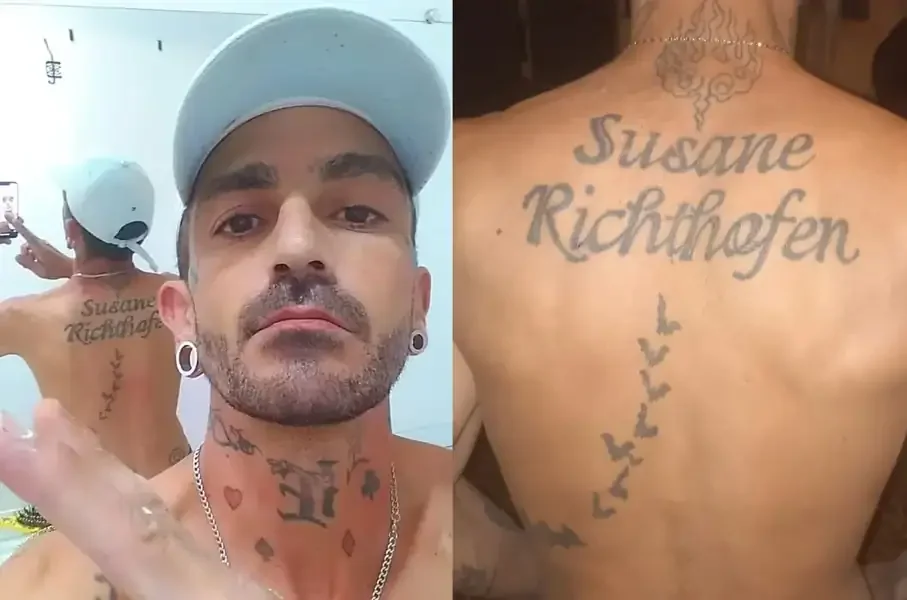
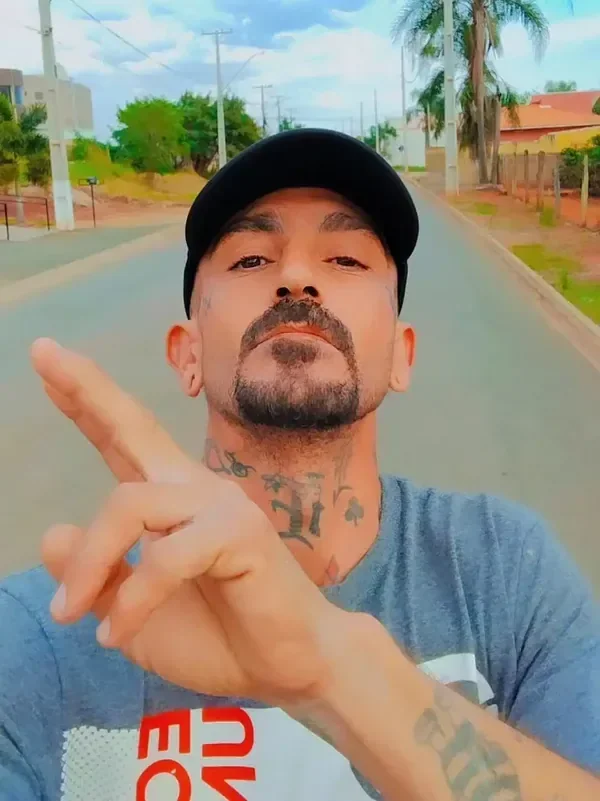
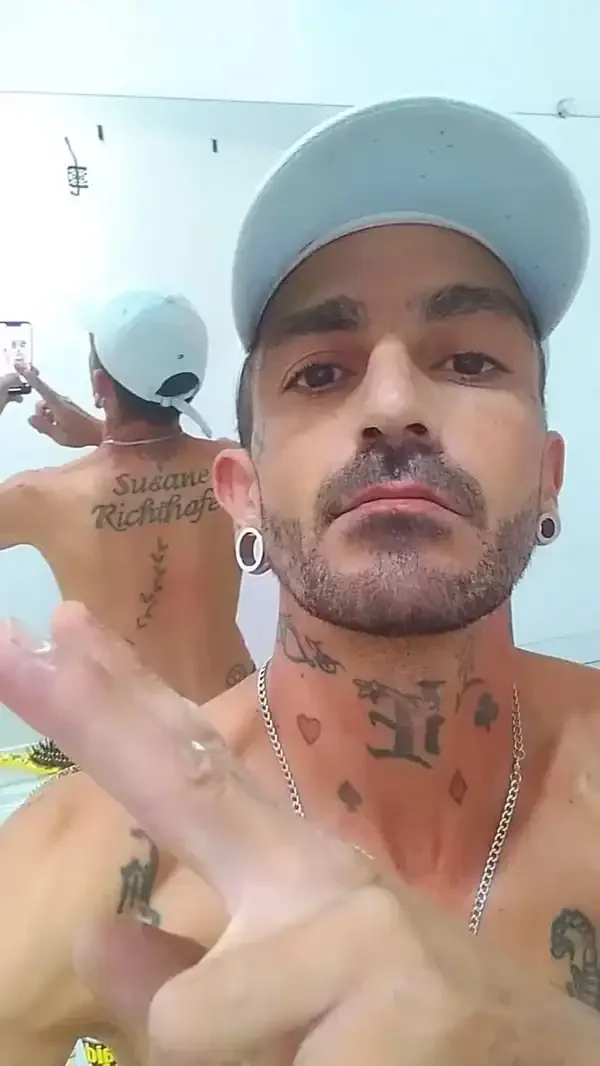
Watermann’s tattoos include Suzane’s name on his back and an image of her on his abdomen. He also has the letter R, the surname’s initial, and a scorpion symbol on his neck, as well as dates connected with Suzane’s birth and the murder. He said he plans to tattoo the Cravinhos brothers’ surname on one of his eyebrows. The designs make his interest in the case a continuing part of his appearance, in addition to the names he gave his children.
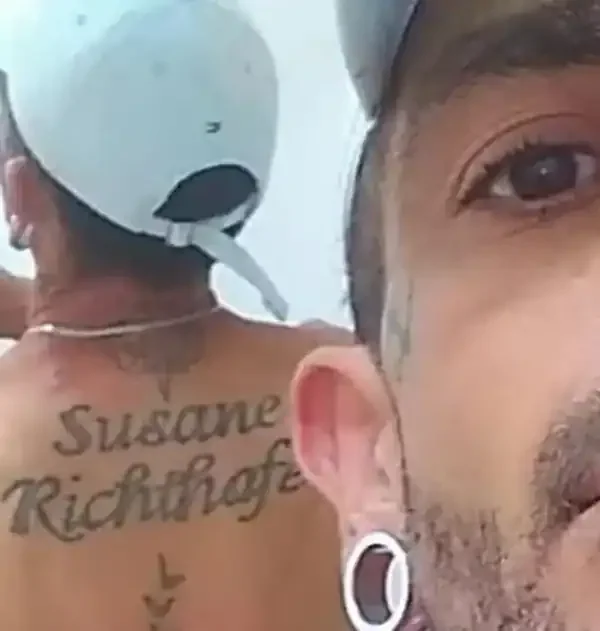
One of the tattoos contains a spelling error: Suzane’s name was written with an S where a Z should appear. Watermann said he did not notice the mistake when the tattoo artist showed him the design. “At the time, the tattoo artist didn’t want to do it. Now I don’t know whether it was in bad faith or a lack of attention. I was so excited that I didn’t see it when he showed me the design,” he said. His account does not establish why the name was misspelled; he presented both possible explanations as uncertainties.
The painter also said he has spoken with the Cravinhos brothers and described the contact as “really nice.” On another occasion, he said, he was told that Suzane had learned about one of his tattoos. “I asked if Suzane knew about my tattoo, and she said yes and that she was shocked. I was really happy when I found out,” he said. The report presents this as information Watermann received, rather than as a direct statement from Suzane.
The account centers on Watermann’s own explanations: how he says his interest began, why he chose the children’s names, what his tattoos depict and how he characterizes his contact with the brothers. It also records his statement that his choices have brought consequences in his personal and professional life. It does not provide details about the nature of those conflicts or professional setbacks, and it does not include comments from the children’s mother or from the people whose names and images appear in the tattoos.
The case remains the context for the names and body art described in the interview. The source identifies the Cravinhos brothers and Suzane von Richthofen as people convicted in connection with the murder of the Richthofen couple in 2002. Watermann’s reported tributes refer to that case, but his statements about being fascinated by the people involved are his own account of his personal interest. He says the children are aware of the origins of their names, while also saying that their mother opposed his choice. His tattoos, including the misspelled name, are further examples of how he has made that interest visible.