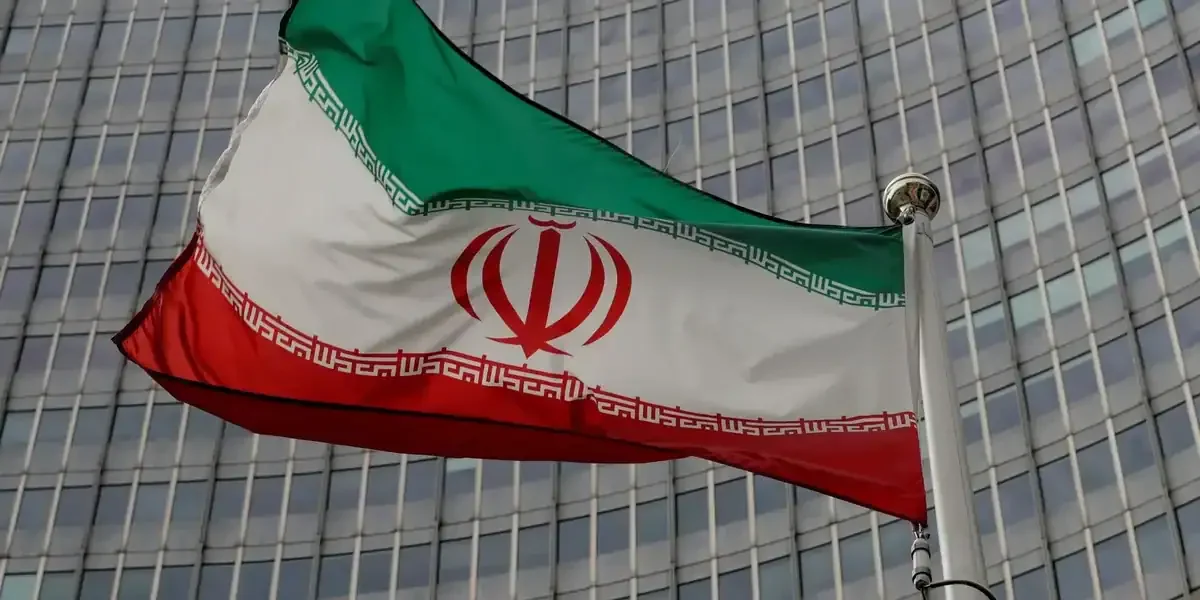
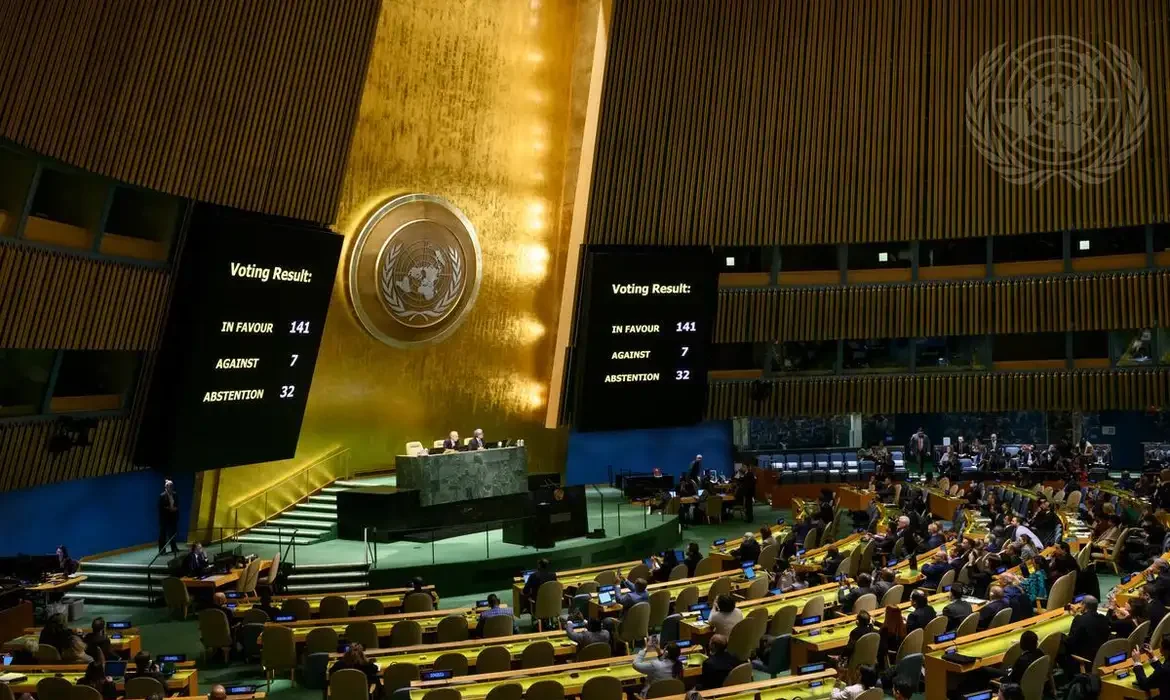
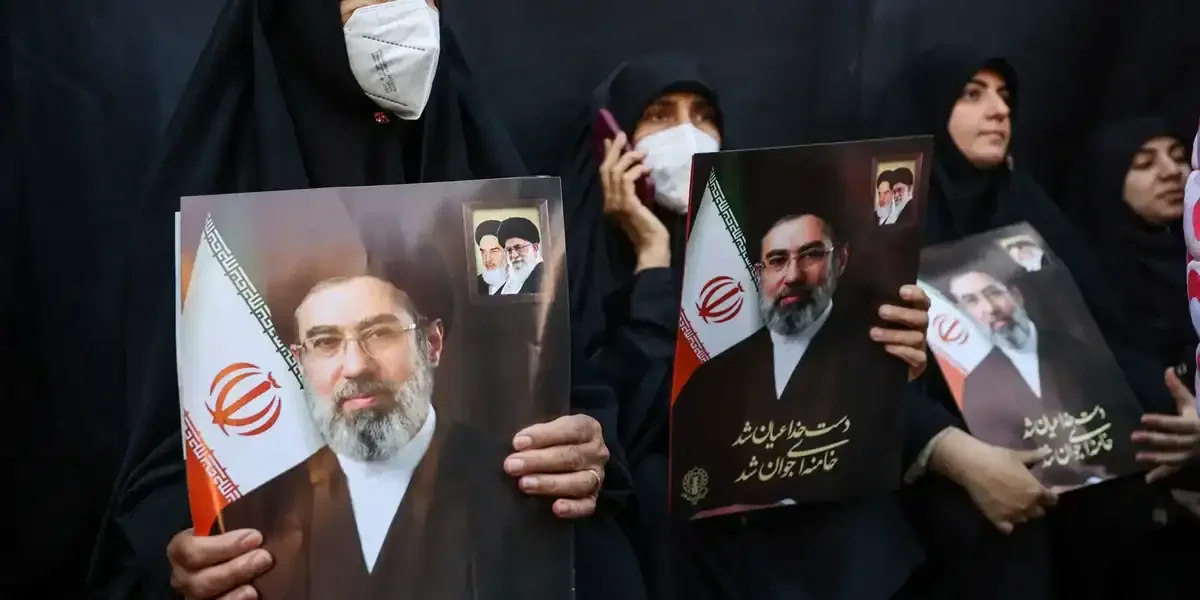
The United Nations General Assembly has elected Iran to serve on the Committee for Programme and Coordination, a body that participates in setting the organization’s priorities and activities. Its work includes areas connected to human rights and women’s rights. The decision has prompted debate about the United Nations’ role in promoting human rights and about the standards member states use when selecting representatives for its bodies.
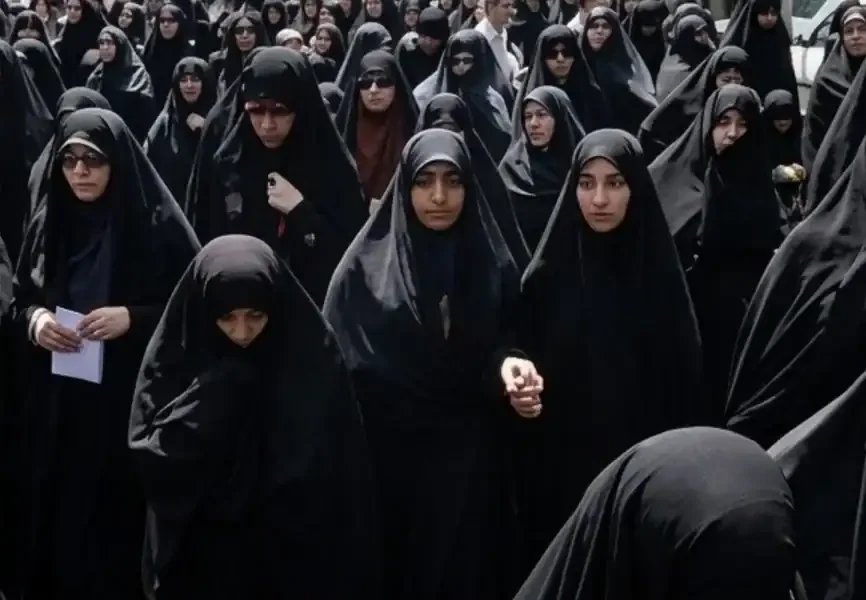
Iran received 144 votes and will hold a three-year term on the committee, beginning in January 2027. The election has drawn attention from organizations and human rights advocates because of the Iranian government’s policies toward women. In Iran, women face legal and social restrictions, including rules on wearing the veil in public and differences in laws governing matters such as marriage, divorce, inheritance and child custody.
The restrictions also affect activists and women who challenge rules established by the authorities. Those who speak out against government requirements may face arrest, court proceedings and other forms of repression. Critics say these policies sit uneasily alongside Iran’s place on a committee involved in discussing the United Nations’ priorities, including matters related to fundamental rights.
The committee’s role, as described in connection with the election, is to participate in shaping priorities and activities across the organization. That function places it within the United Nations’ broader work, where decisions and discussions may involve a range of subjects. Its responsibilities include areas associated with human rights and women’s rights, which has made the selection especially contentious for critics of Iran’s domestic policies.
The vote does not, by itself, change the laws or rules affecting women inside Iran. It determines the country’s representation on the committee for a defined term. The distinction matters when considering what the election means: membership gives Iran a place in a body involved in organizational planning, while the restrictions described by critics concern policies and practices within the country. The decision has therefore raised questions about representation and credibility, rather than indicating that the committee directly governs Iran’s domestic laws.
The General Assembly is made up of United Nations member states, and the election reflects a decision made through that body. Iran’s total of 144 votes is the reported result. The available account does not provide further details about the voting process, the other candidates or the positions taken by individual member states. It therefore does not establish why each country voted as it did, or whether the result was supported for a particular policy reason.
The debate centers on the relationship between a country’s participation in international institutions and its conduct at home. Critics question whether a government that restricts women’s rights should hold a role in a body whose activities include discussion of those rights. In their view, the appointment creates a contradiction between Iran’s international representation and the limits women face under its domestic policies.
Those policies include the required wearing of the veil in public spaces. The legal differences cited in the account concern marriage, divorce, inheritance and child custody. These are areas that affect people’s rights and responsibilities in family and personal life. The restrictions also extend beyond formal legal provisions: women who challenge government-established norms may be exposed to arrest, legal proceedings and other forms of repression, according to the information provided.
The controversy does not erase the formal result of the vote or the length of the term. Iran is scheduled to serve for three years beginning in January 2027. At the same time, the criticism reflects a broader question about what representation on a United Nations body signifies. A seat can provide a country with a role in discussions and planning, but it can also draw scrutiny when the country’s internal policies appear inconsistent with the issues addressed by that body.
The election has also renewed discussion about the criteria member states use when choosing representatives to United Nations organizations and committees. The issue is not limited to the specific vote: it concerns how participating countries weigh institutional representation, political considerations and the stated purpose of an organization’s work. The reported information does not set out formal eligibility standards or explain how members evaluated Iran’s candidacy. It does, however, show why the outcome has become a subject of debate.
The United Nations faces a continuing challenge in bringing together member states with different domestic systems and policies while advancing principles that include the protection of fundamental rights. Decisions made by member states can influence who takes part in the organization’s work, even as those same states may face criticism over their conduct at home. The Iran election has made that tension particularly visible because the committee’s activities include priorities related to women’s rights and the country’s treatment of women is central to the objections raised.
The discussion also illustrates that a committee appointment and a human rights debate are connected without being identical. The appointment concerns Iran’s participation in the Committee for Programme and Coordination; the criticism concerns the restrictions and enforcement practices women face in Iran. The two issues meet because the committee contributes to decisions about organizational priorities, including areas related to rights. For critics, that connection is enough to question the choice, while the vote remains the formal basis for the country’s upcoming term.
The decision therefore brings renewed attention to both the selection of representatives and the United Nations’ efforts to promote human rights. Iran will take its seat for the term scheduled to begin in January 2027, following the 144-vote result in the General Assembly. The questions raised by critics—about the criteria for selection, the meaning of representation and the relationship between international roles and domestic policies—remain at the center of the debate.