Some images are so striking that they seem to have come from a science-fiction film or even another planet. They can cause astonishment, spark curiosity and make people pause to work out what they are seeing. Some appear impossible, yet were captured by a camera in real situations. Extraordinary scenes do not always require elaborate productions, special effects or digital composites.
Nature, chance and unexpected events can produce photographs that challenge the imagination. A rare natural phenomenon, an unusual landscape, an animal in an unexpected situation or a structure seen from a particular angle can all make an image seem hard to believe. Timing also matters: a photograph taken at just the right moment can record an effect that would be difficult to plan.
Perspective is another reason ordinary subjects can look extraordinary. The angle of a camera, the available light and the distance between the photographer and the subject can change how shapes and proportions appear. With phone cameras and social media, unusual photographs can now be shared widely and quickly. Viewers may ask whether an image is real, especially when its appearance seems unlike what they encounter in everyday life. While some images online are edited or digitally created, authentic photographs can also be striking.
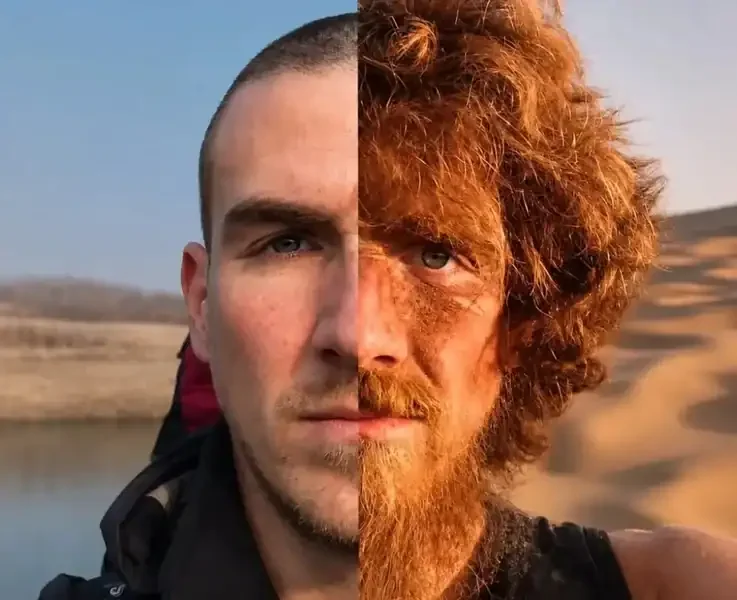
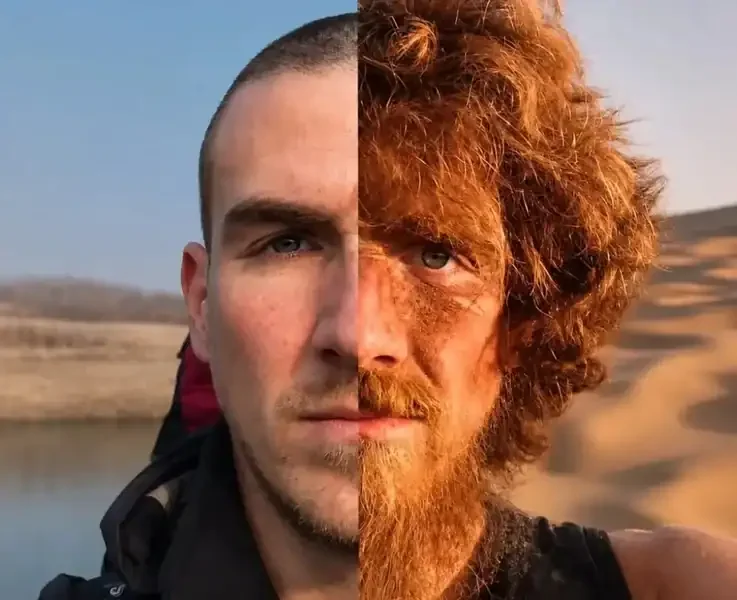
One image in this collection shows a man who walked across China over the course of an entire year. A before-and-after comparison draws attention to how a long journey can affect someone’s appearance and body. Walking for an extended period is different from a brief outing: it involves repeated movement over time and the experience of covering distance on foot. The photograph’s comparison gives viewers a way to consider the visible effects of that journey without requiring additional explanation about the man’s route or circumstances.
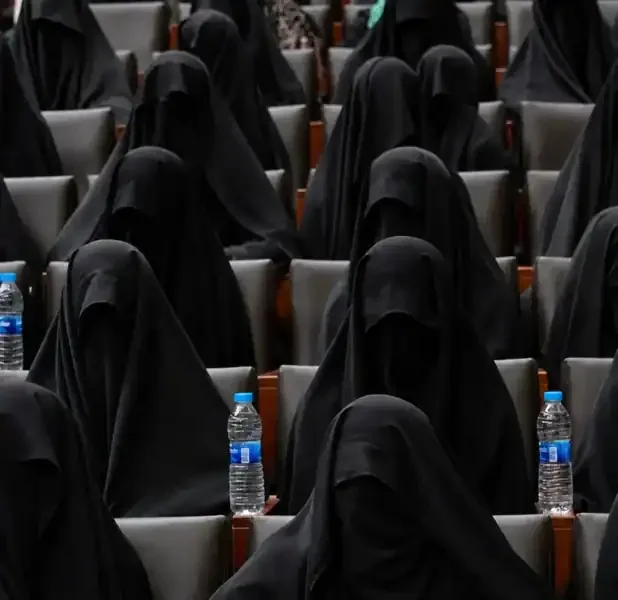
Another image shows the interior of a women’s university in Afghanistan. The photograph presents a place of learning and raises the broader subject of women’s access to education in the country. A university interior can be read as a practical space: a setting intended for study, teaching and academic activity. In this case, the image’s significance comes not only from what is visible inside the building but also from the question of who is able to use such spaces and pursue education. The caption points to that issue without providing further details about the institution or the people pictured.
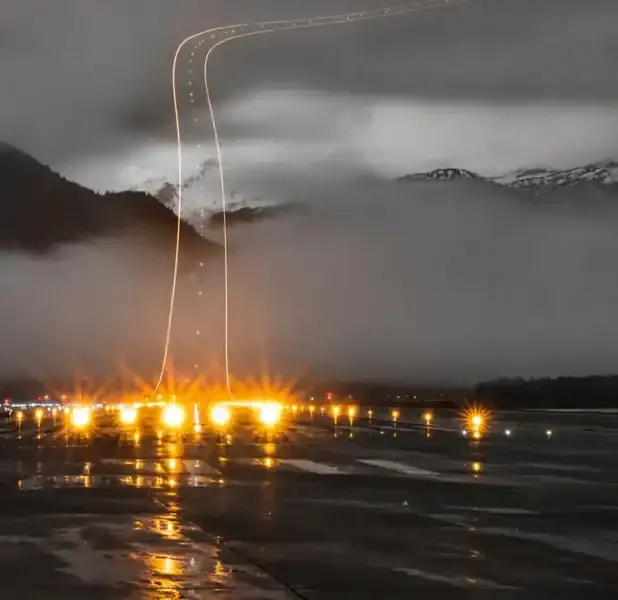
A photograph of an airplane taking off may initially resemble a montage. Its effect, however, is attributed to a photographic technique called long exposure. In a long exposure, the camera records light over a period of time rather than capturing only a single brief instant. When a moving subject is photographed this way, its movement can leave a visible trace in the image. The caption says the camera recorded the aircraft’s movement over several seconds, producing a luminous effect. The result can make a familiar event—the departure of a plane—look unusual, because the photograph shows movement in a way that a quick snapshot typically does not.
The difference between a single moment and an extended exposure is important to understanding this kind of image. A photograph freezes a scene for viewers, but the method used to make it affects what that frozen scene contains. A short capture can show a sharp instant, while a longer one can register changes that take place during the exposure. The plane image illustrates how the camera’s settings can influence the final appearance without requiring the scene itself to be digitally altered.
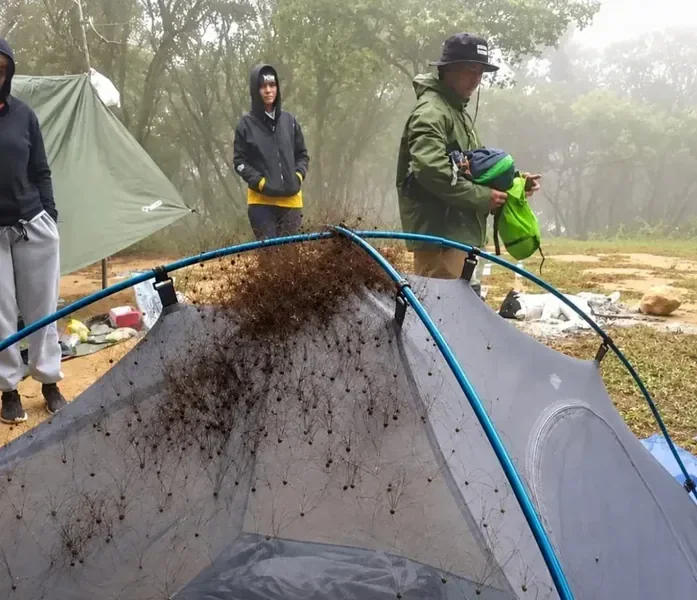
A camping scene in the collection focuses on insects gathered near a tent. The caption notes that heat released by the human body can attract insects, particularly in an environment where they are already present in large numbers. For someone expecting a quiet night outdoors, seeing insects close to a tent could be startling. The image calls attention to the conditions around a campsite: the surroundings, the presence of insects and the way warmth can draw them nearer. It is a reminder that outdoor settings can include encounters that are less familiar than the carefully arranged pictures often associated with camping.
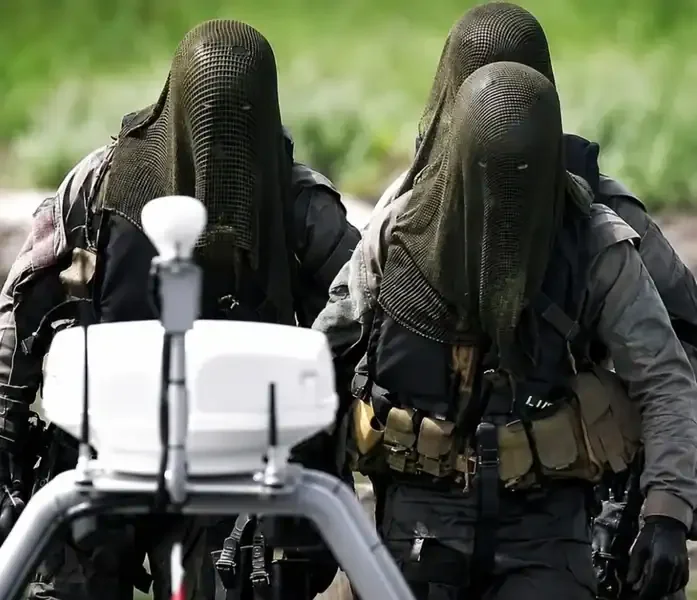
The Danish special forces appear in another photograph, with equipment, clothing and accessories creating an intimidating appearance. The caption compares the scene to something from a horror film. That comparison describes the visual impression rather than suggesting the image is fictional. Military clothing and equipment can change the way a person appears in a photograph, and dark or imposing visual details can give a scene a dramatic quality. The image’s effect is based on the appearance of the people and their gear as captured in the frame.
A pair of photographs shows the same ski-run sign at different times of year. In the summer image, the setting has very little snow; in winter, the landscape is transformed. The comparison makes seasonal change easy to see because the sign serves as a reference point in both photographs. Looking at the same location under different conditions can make the contrast especially clear. Instead of relying on a description of the seasons, viewers can compare the visible surroundings directly.
The transformation also shows how a familiar landscape can take on a different character as the year changes. A ski area may look markedly different when snow is absent than when winter conditions cover the ground. In the paired views, the unchanged sign helps distinguish changes in the setting from changes in the camera position or subject. The caption identifies the photographs as views of the same sign at two different times of year.
On Japan’s west coast, another image captures the contrast between snow and the sea. The meeting of these elements creates a distinctive landscape, with conditions that may seem visually unexpected when seen together. Snow is associated with cold weather, while the sea remains a broad, moving body of water; in the photograph, their proximity gives the scene its appeal. The caption describes the result as a postcard-worthy view. The image’s impact comes from the contrast between the coastline and the snow-covered surroundings rather than from an artificial effect.
The collection ends with a storm over Johannesburg, South Africa, photographed using an 11-minute exposure. As with the airplane image, the extended capture time allows the camera to record visual changes across a period rather than showing only one split second. The caption says this long exposure makes the effects of the storm visible in an impressive way, transforming the sky into a striking display. The photograph offers a way to observe a weather event through the combined effect of time and light.
Taken together, the images show several different reasons a photograph can hold a viewer’s attention. Some rely on contrast, such as snow beside the sea or a summer landscape beside its winter counterpart. Others depend on movement and time, as in the airplane and storm photographs. Still others invite a closer look because they show a long journey, a place of education, insects around a tent or the equipment worn by military personnel.
The images do not all produce the same kind of surprise. A comparison can reveal change; a long exposure can make movement visible; an unusual setting can prompt questions about what is happening beyond the frame. The captions provide context for each photograph while leaving the images themselves to be examined. That combination encourages viewers to look carefully, distinguish what is visible from what is explained, and consider how a camera can make real scenes appear almost unbelievable.