Throughout history, people have developed countless inventions that changed how they live, work and interact with the world. Some creations were seen as revolutionary in their time, while others were designed to meet specific everyday needs. Over the years, many of these objects disappeared, replaced by newer technologies or simply forgotten by later generations. Looking back at them offers a way to see how people approached practical problems in different periods, and how ideas about convenience, comfort and appearance have changed.
Some objects can seem so unlikely by today’s standards that it is hard to imagine them as part of ordinary life. Yet an item once considered modern, indispensable or luxurious can appear outdated when viewed from the perspective of the present. The objects in this gallery reflect different moments and purposes: some were used in travel, others in shopping or personal care, and a few addressed needs involving health or childcare. Their forms and functions are reminders that everyday routines have not always been handled in the same way.
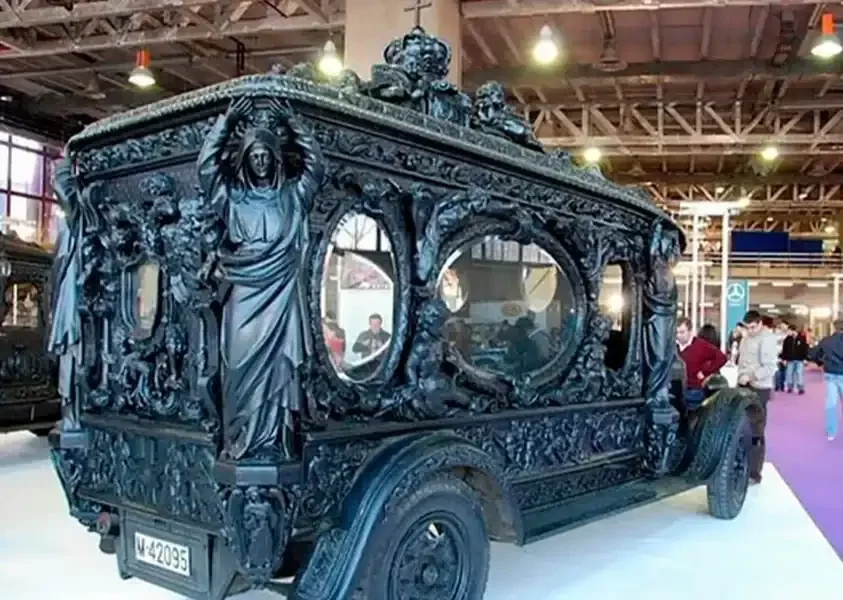
A funeral carriage from 1920 is one example. Its hand-carved structure drew attention to the craftsmanship involved in preparing a vehicle for funeral ceremonies. The carriage was not simply a means of transport; its appearance was also part of the ceremony. Its design and construction show how an object used for a practical purpose could carry a visual role as well. The caption describes the structure as carved by hand, a detail that helps distinguish it from the more standardized objects many people encounter today.
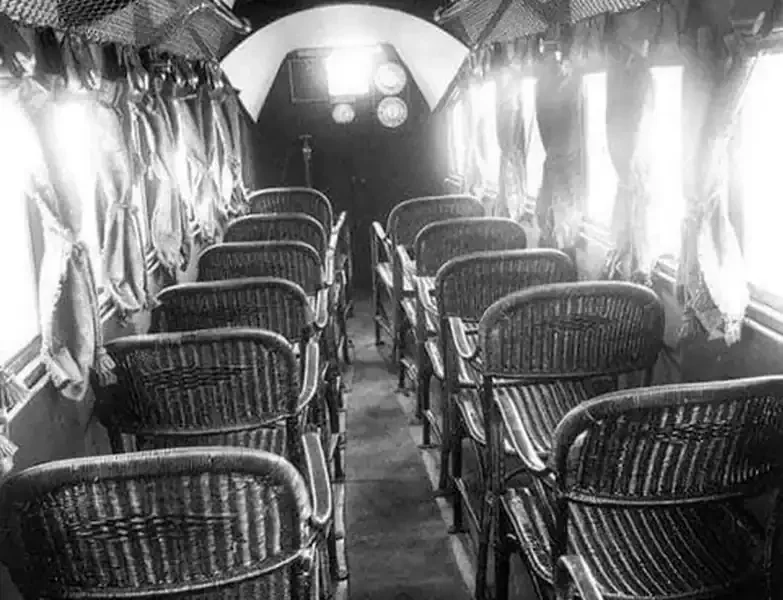
Airplane seats from the 1930s offer another look at how different travel could be. Their appearance and structure show that the experience of flying was not the same as it is now. A seat is an ordinary part of air travel, but its design can reveal the expectations and conditions associated with a particular period. Comparing seats from different decades makes visible how the experience of travel changes along with the objects used to support it. The gallery does not treat the seats as a technical specification; instead, it points to their look and construction as evidence of a different era of aviation.
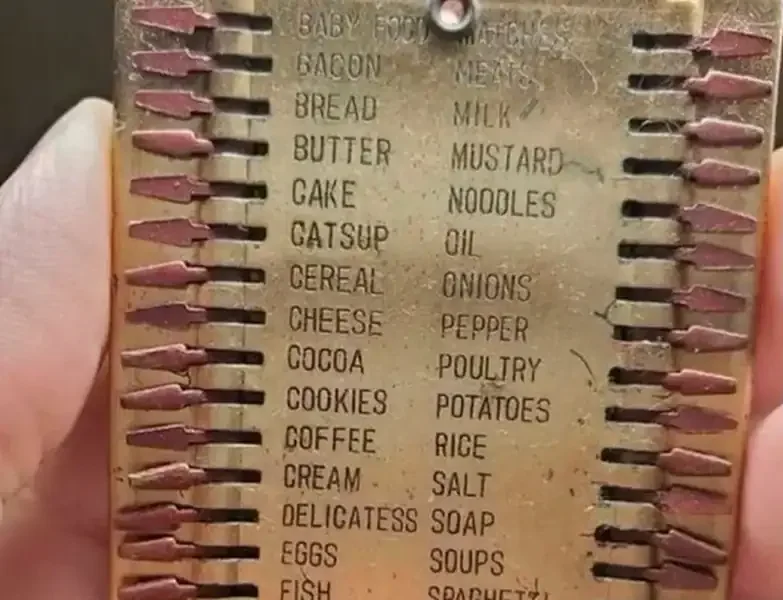
Even a shopping list could take a distinctive form. In the 1950s, reusable list models allowed people to organize purchases without making a new list each time. That design addressed a familiar task through an object intended for repeated use. Today, people may organize shopping in many ways, including on paper or with digital tools, but the basic need to remember and arrange items remains recognizable. The reusable format shown in the gallery makes an everyday routine from the past visible in a way that can seem unfamiliar now.
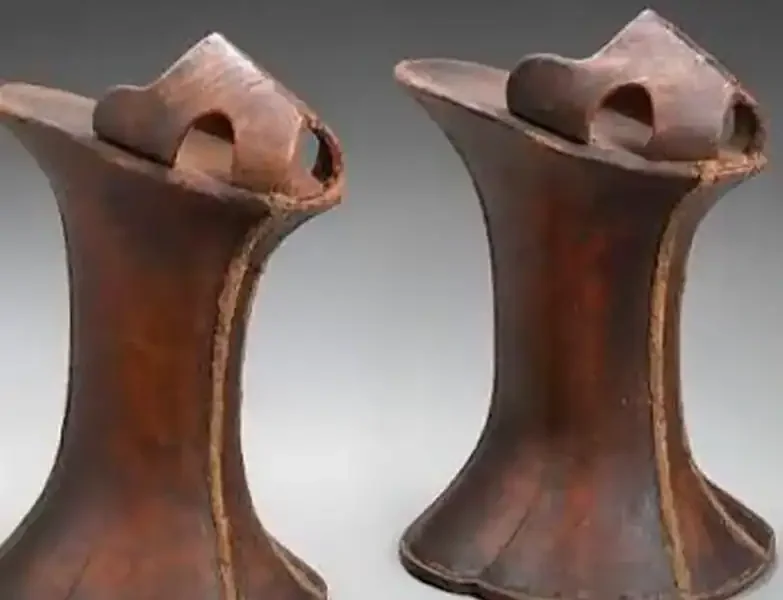
The Venetian shoes known as chopines are striking for a different reason: their platforms could reach up to 50 centimeters in height. The caption says that these shoes were used mainly by women and drew attention because of their height. Their unusual proportions make them a clear example of how footwear can reflect the tastes and conventions of its time. Looking at a shoe from the past can prompt questions about appearance, movement and the purposes a particular design was meant to serve, without requiring that modern viewers share the same preferences.
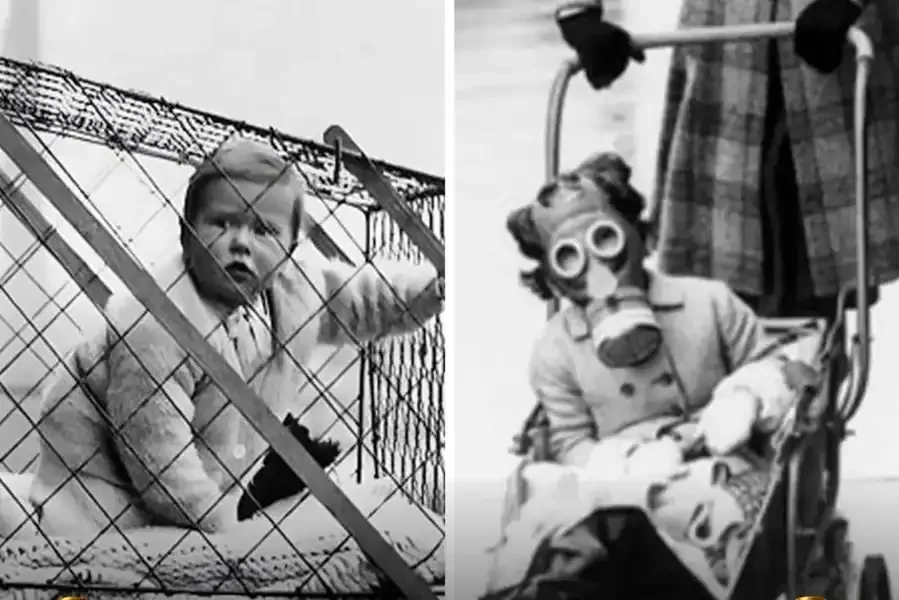
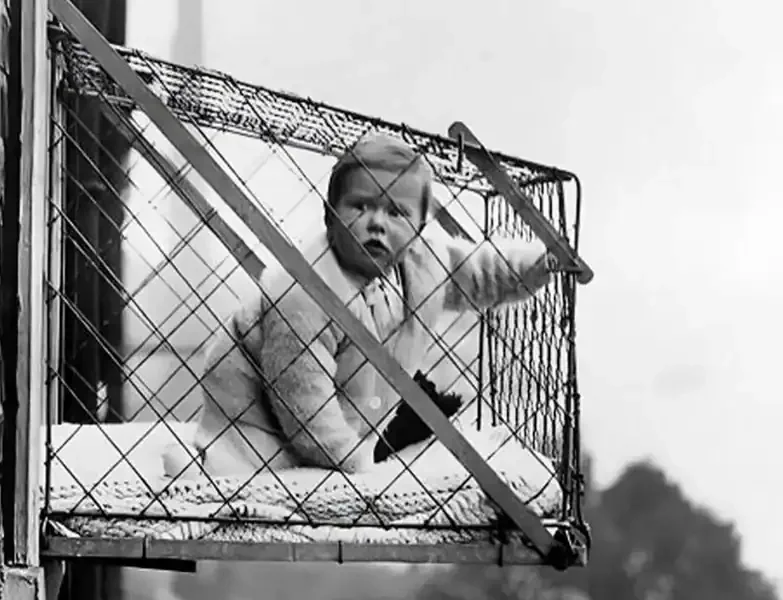
A device intended to give babies fresh air and sunlight also looks unfamiliar today. In the 1920s, some families used suspended cages for babies, with the idea of allowing children to receive air and sunlight even when they lived in apartments. The object reflects a particular attempt to adapt childcare to the conditions of a home. Its presence in the gallery can be startling to contemporary viewers, but the stated purpose was to bring babies outdoors in a limited way while they remained in the suspended enclosure. It is one example of how a perceived everyday need could lead to a form that later generations might find unexpected.
During the Victorian era, an accessory was made to protect mustaches while drinking. Placed on a mug, it helped keep facial hair from coming into contact with the beverage. The small device addressed a specific concern connected to personal grooming and the way someone drank from a cup. It also shows how objects can be shaped around habits and styles that are particular to a period. A mug may seem like a simple item, but adding a specialized accessory changed how it was used.
The gallery concludes with the iron lung, equipment used for patients with polio who had difficulty breathing. The machine helped maintain breathing through variations in pressure inside a chamber. This description points to a medical purpose unlike those of the other objects shown: rather than organizing a routine or shaping an appearance, it supported a vital bodily function. The iron lung demonstrates how a device could respond to a serious health need through a mechanical system. Its presence also offers a reminder that medical equipment is closely tied to the challenges and solutions of its own time.
Taken together, these objects show how inventions can range from highly specialized devices to items used in familiar daily activities. They also illustrate that an object’s meaning depends on the needs and habits surrounding it. A funeral carriage, an airplane seat, a reusable shopping list, unusual shoes, a baby enclosure, a mustache protector and a breathing machine do not share the same purpose. What connects them is their place in the history of ordinary life: each reflects an attempt to address a task, preference or need as it was understood at the time.
Many inventions that once seemed modern eventually become unfamiliar as tools, customs and expectations change. Looking at objects from earlier generations makes those changes easier to notice. Some designs may seem impractical or surprising to people today, while others reveal an approach to a common problem that remains easy to understand. The gallery’s examples invite a journey into the past through tangible objects, showing how people adapted their surroundings and routines with the ideas and technologies available to them.